War as Social, War as Human
Historian Russell Weigley, a Pennsylvania Quaker turned student of war, argued that military historians owe society more than drum and fife battle narratives. The task of the military historian, he argued, is not to recount battles but to explain war systemically as something that societies produce and are in turn remade by. The object should not be writing history for its own sake, disconnected from the people who experienced it or who can use it, but to show why wars are won and lost, why battles are won and lost, and advocate for the least destructive fighting possible. Channeling Carl von Clausewitz and Hans Delbrück, the Quaker warrior was convinced that while war was unavoidable, its harm could be reduced through sound policy and clear battlefield victories. His corpus of work was therefore a guidebook on how to fight and win so as to prevent the grinding failures of 1862-1863, 1915-1917, or June-July 1944.
That conviction has organized everything I have written since I first encountered his work as an undergraduate. I work within the framework of war and society. Armies do not exist apart from the nations that build them. Domestic politics, social hierarchy, economic capacity, and technological orientation all condition how a military thinks and fights, and the influence runs in both directions. But no army has ever been shaped by its own society in isolation. Militaries are built as much by what they see on the other side of the hill as by their own domestic pressures, and the traffic in ideas has never been one way. My research moves between the United States, Europe, and East Asia because the subjects themselves moved. Ideas about how to fight crisscrossed the Atlantic and the Pacific, and in doing so evolved to fit their new politico-social environment. Reading American records against German and Korean ones consistently complicates the picture that emerges from Washington alone, and it suggests that smaller states within the American security system had rather more room to maneuver than the standard account allows. In writing I keep the interplay of the human and the systemic in view throughout. The questions that interest me sit where systems meet people. Doctrine and policy are written in headquarters, but it is carried out by soldiers, and it lands on the civilians who happen to live where operations are planned.
Featured Projects
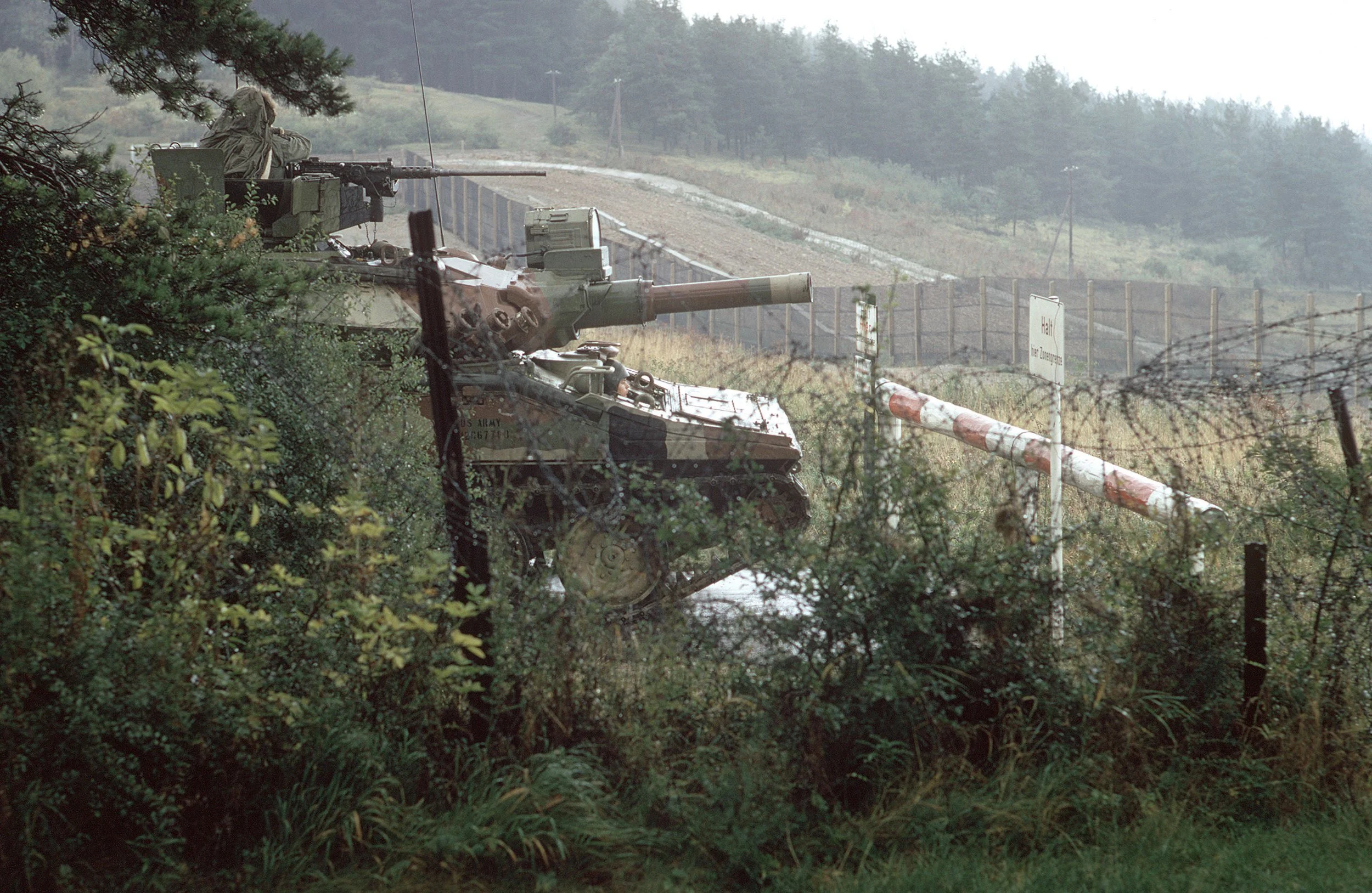
The Perpetual Soup (2026)
In Layout - De Gruyter Brill 2026
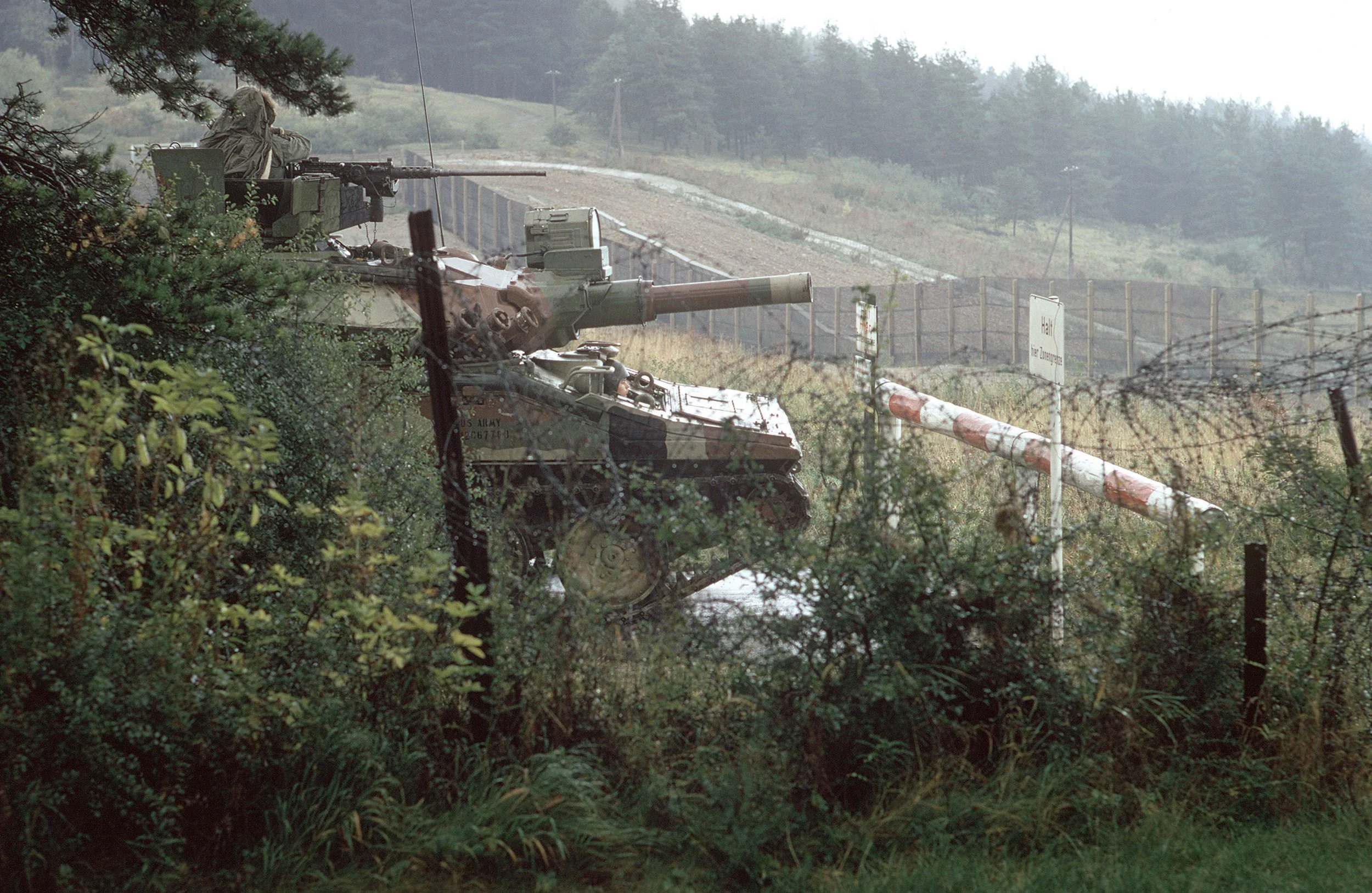
My first book explores the understudied relationship between the West German and American Armies during a period when technology destabilized the nature of warfare.
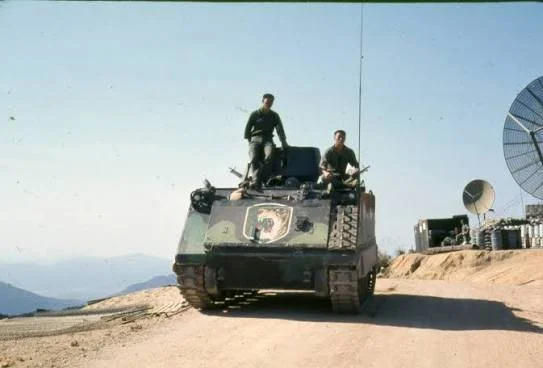
The Tiger Front
In Progress
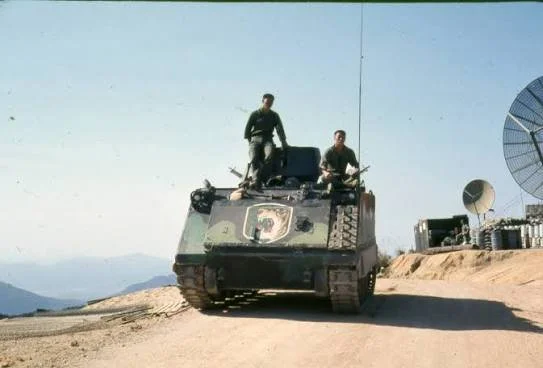
My second book project posits that South Korea is the forgotten belligerent of the Vietnam War. It will restore Korea’s position in US historiography by showing that Korea and Vietnam were deeply linked conflicts.