Wargaming as Methodology
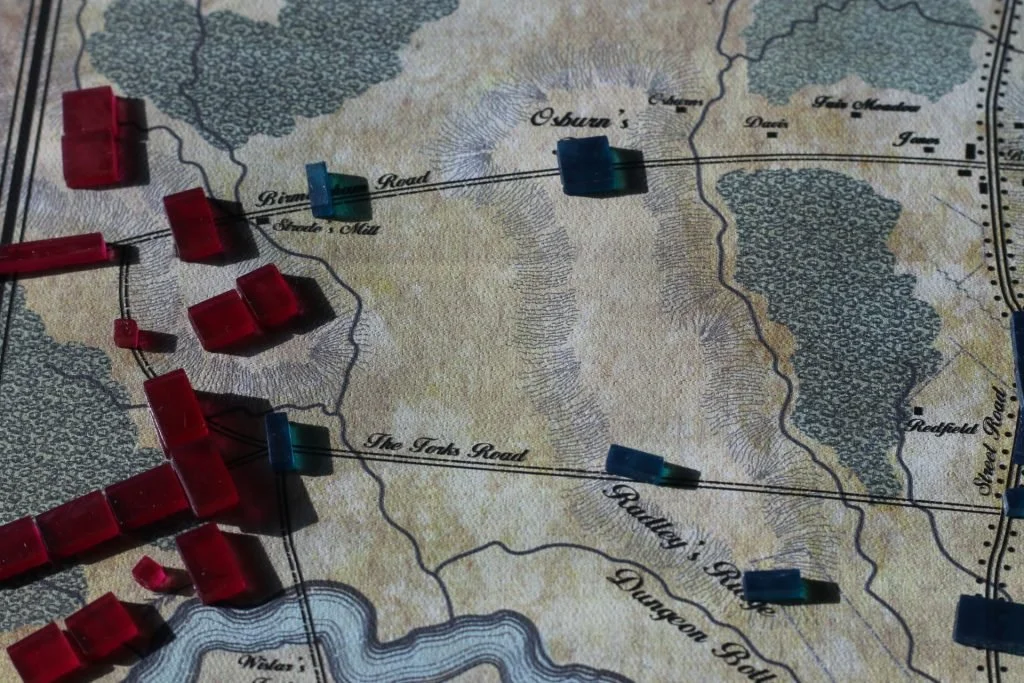
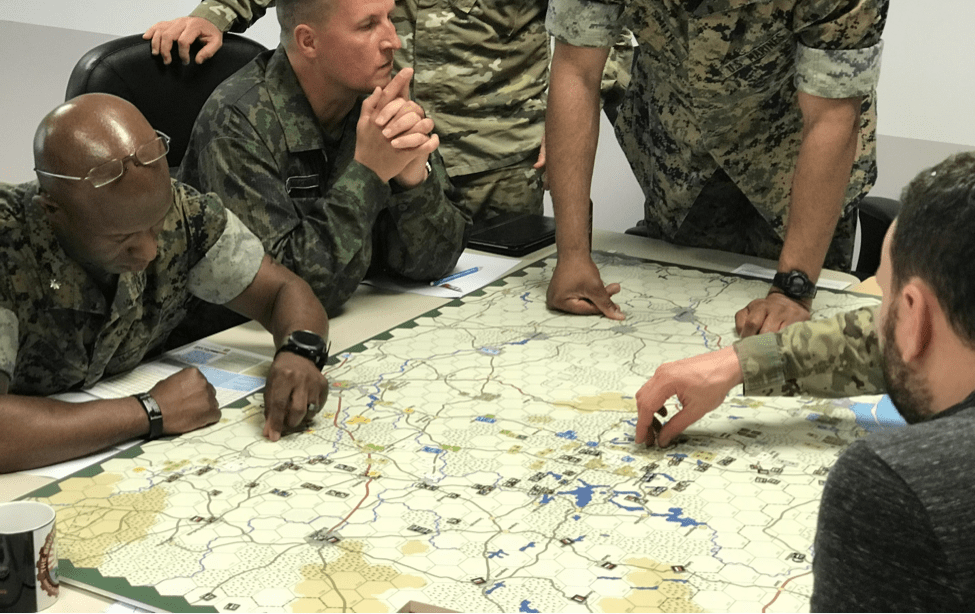
Wargaming is a vital tool for officers, practitioners, and theorists. Yet it has long been treated as simple recreation within the academy. It is time to consider wargaming as a tool in the classroom and as a medium for historical inquiry
Wargaming As a Tool
The Basic Problem: Recreation or Research?
When someone thinks about historic wargaming, they might envision a table covered in sweeping green shag carpet, an outcropping of building named after (but hardly resembling) a historic location, and dozens, hundreds, or even thousands of intricately painted miniatures pushed carefully and cautiously across foam terrain. Perhaps a fun afternoon but hardly the grounds for serious historic study, unless of course the subject is the culture of miniature wargaming itself. For decades, this mindset has dominated academic thinking regarding wargaming. Yet this sits incongruously with the history of wargaming, as well as its current institutional use. Indeed many decisionmakers turn to map exercises and more to shape their understanding of the world, all while the academy treats the tool as fodder for children and the ever dangerous ‘enthusiast buff.’
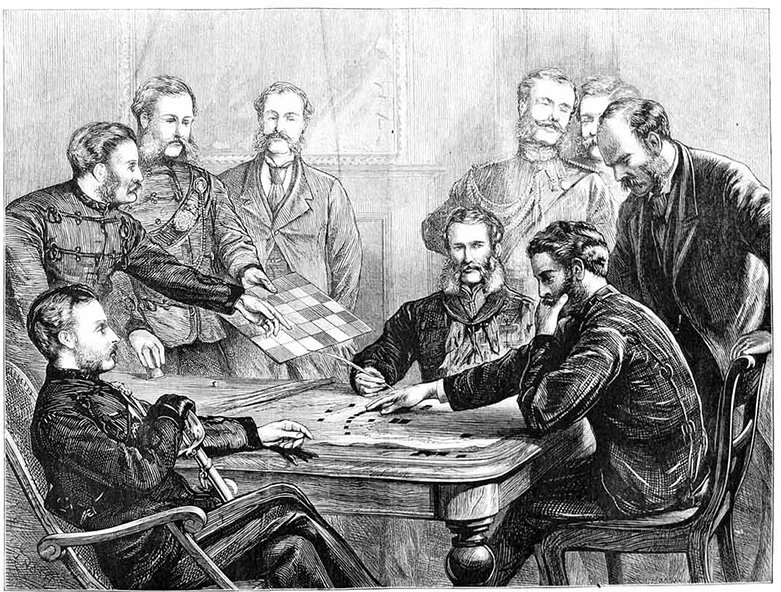
The name ‘wargame’ comes from its first modern example, the Prussian Kriegsspiel. Kriegsspiel was developed in the early 19th century by officer Georg von Riesswitz as a way to think about battles more rigorously than older games which he felt were too abstract and tied to chess. Von Riesswitz wanted his game to be modern, replayable, but which would also accurately reflect real-world organizations, doctrine, and geography. He showed the first edition of his game to other officers in 1811, and gifted King Friedrich Wilhelm III a sand table and equipment in 1812. After von Riesswitz the elder retired from service following Napoleon’s defeat at Waterloo, his son von Riesswitz the younger, also an officer in the Prussian Army, picked the game back up. Where his father had created a method and a few ornate component sets for use by the royal court, the younger Riesswitz rebuilt the game to be cheaper, more accessible, and generally more suitable for the postwar army. His ruleset, published in 1824, utilized six sided dice, painted wooden pieces, and paper maps to simulate any battle fought within a century of Riesswitz’s life. Indeed his system is so robust and flexible as to be well suited for even battles fought in the early 20th century. A key component of early Prussian wargaming was the associated staff ride. Utilizing the 1824 system, groups of officers would mount their horses and ride out to famous battlefields where they would play through famous historic battles. Whenever results were ambiguous, or questions of feasibility arose, ‘commanders’ would ride out to the ground in question and apply their practical knowledge to resolve questions. In this way, Kriegsspiel exercised both the intellectual but also practical components of military operations, while also preserving a fundamentally aristocratic approach to officering. Von Riesswitz’s Kriegsspiel formed the foundation of the wargaming hobby. It was made widely available thanks to a large scale German print run, and was translated into English by William Livermore in 1879. Named American Kriegsspiel, this edition would be reprinted nearly a half dozen times and was widely popular. Novelist H.G. Wells became enamored with the Prussian system and fused it with his love of scale modeling to create the game Little Wars (1913), advertised for ages 8 to 150.
Within the Prussian Army, however, Kriegsspiel advanced as a planning tool. In the wake of the Napoleonic Wars, the Prussian government formalized a number of institutions which became the great Prusso-German General staff. The Great Staff was responsible for the practical aspects of waging war including, in peace time, wartime contingency planning. These warplans were shaped, in part, by thorough gaming. In 1870 this practice paid off in the war with France. Likewise, gaming in the first decade of the 20th century shaped the ill-fated German invasion of France and accurately predicted the danger presented by attacking everywhere. The failure to heed these pre-war games helped to contribute to the defeats faced that summer, which in turn created stagnation of the trenches. Gaming has been used to explore the ramifications of nuclear war, and one might draw a connective line of thought from von Riesswitz the elder’s frustrations with chess and RAND’s work on ‘game theory’ in foreign policy and nuclear war in the 1950s. In the 1960s and 70s, the service branches used wargames to explore questions ranging from tactic and doctrine, to tank design and attack helicopter employment.
Excercises, simulations, and wargames have been demonstratively important in decision making processes for decades. We also can see that the language of play which so permeates wargaming lies not in its origins, von Riesswitz’s (father and son) desire to more rigorously experiment with battles and tactics, but by the popularization of a branch of Kriegsspiel designed specifically for enthusiasts by one of the greatest authors and futurists of the 20th century. The conflation of these two branches has unfairly stigmatized wargaming to the point that it is almost totally unused today within professional academic history. This I argue is a mistake. Since the end of the 20th Century, academic history has broken free of the Ranke-ist methodology. Yes, archival work is important and vital. But so too are other sources, from oral, to experimental, to quantitative history. It is time that historians also begin to think about how they might recreate historical events in the laboratory of the academy.
The Spectrum of Problem Solving
Wargaming
Wargaming is one side of a spectrum of theoretical problem solving. Unlike historical simulations, wargaming is qualitative in nature. It seeks to recreate decision spaces and place participants in the same situational context as historic actors. Rulesets tend to be more flexible and abstract which creates space for investigating the key research question. These questions can investigate a range of decisions and organizational dynamics, and can build an appreciation of the role of geography (natural, built, and human) and individuals within historic events. Unlike simulations, wargames also have a lower barrier to entry, are more customizable, and can be generated more rapidly. Despite this, qualitative wargames can produce vital hands on experience with historic events. However, wargames need to remain grounded in quantitative methods to preserve the validity of repeated plays, as well as to generate the methodologically valid conclusions which elevate then from recreation to research.
Simulation
Historic Simulations are the other side of the theoretical problem solving spectrum. Unlike wargames, simulations are quantitative in nature and are therefore very similar to other quantitative historical methods. They aim to recreate systems, replicate technology, and quantize even ephemeral aspects of a historic event. At their largest and most sophisticated, simulations blur the line between wargames and other forms of experimental, quantitative history. Simulations can answer questions which range from small choices about technology or equipment to massive questions about systemic forces or complex dynamics. Simulations can produce precise answers and shockingly complete datasets. It is easy to generalize across repeated simulations. However, simulations need to remain grounded in quantitative historical methods to produce historiographically impactful results.
Wargaming the Peace?
As weve explored, the language of wargaming remains tragically rooted in both the languages of play, but also of war. The images found on this page, and commonly across the field, fixate on battle simulations. But in the same way that a wargame does not have to resemble a game at all, neither do they have to have war as subject. RAND defines a wargame as “an exercise or simulation of any threatening situation.” This need not be an armed conflict, but could reasonably encompass most topics of interest to historians At the consumerist level, there are a number of games which attempt to simulate complex non-military historical events.
The 18xx series explores both the technology and geography of railroad expansion alongside their financial and stock market dynamics.
The Weimar Republic places players in the role of major figure and factions as they attempt to preserve, or topple, the post-1918 system.
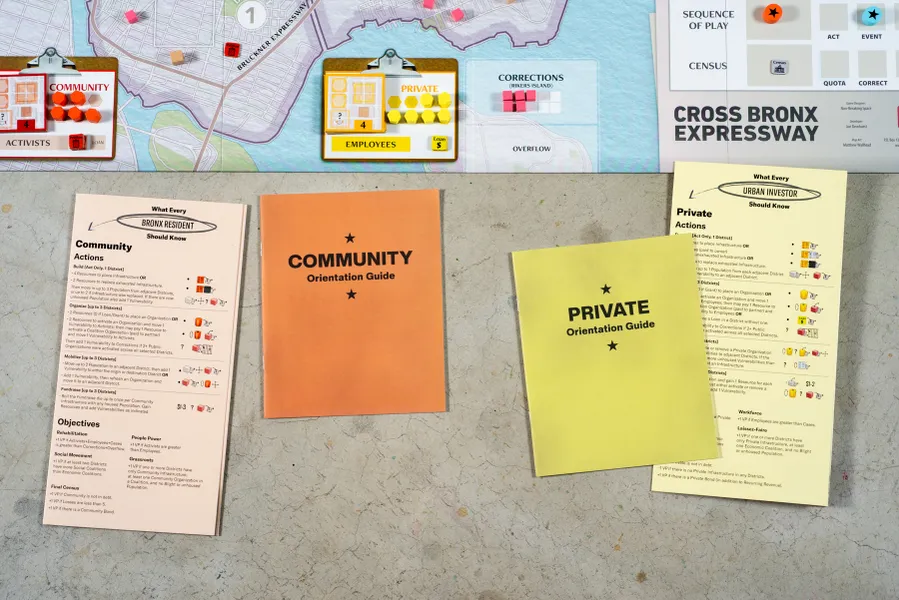
Cross Bronx Expressway puts players in the role of mid-century urbanists look to reshape the face of New York by precariously balancing economic and social forces
Consumer games often sit at the extreme end of the wargame-simulationist spectrum. Many, but certainly not all or even most!, emphasize fun and reasonable play experiences over historic accuracy. They nevertheless represent the fertile possibilities of the field of non-military wargames. They can also form a departure point for researchers interested in approaching problems in a new light. As Kriegsspiel has formed the bedrock for military wargames and simulations, so too could these games form a foundation for developing more rigorous, more qualitative or quantitative approaches.
For some though, this conclusion is neither shocking nor new. Many think tanks and policy groups have long incorporated wargames into their strategic planning and decision making cycle. The RAND Corporation in particular has long pioneered the field on non-military wargames and simulations.
One exercise explored the damage control procedures on a US Destroyer with implications beyond just military operations
Another thought through the social, political, and economic effects in the hypothetical aftermath of the activation of the first Artificial General Intelligence.
A recent paper discusses both the use of AI tools to rapidly generate a new Tsunami simulation, as well as the results gathered on the danger of Tsunamis in urban areas in general.
Here the work done at RAND serves as a model for both non-military and military gaming alike. It is flexible, adaptable, the company’s wargamers up to tackle any topic. The incorporation of new digital tools such as LLM software can increase fidelity and qualitative sophistication while also remaining fast to play and easy to create, as many quantitative games can be.
We therefore should ask: if these tools are being used by decision makers around the globe, why are academics and historians so reluctant to consider them?
Wargaming in the Classroom
Wargaming is Digital History
Wargaming is Hands On
Wargaming is Applied
Wargaming is Fun
Wargaming as a classroom tool inverts the classroom and transforms learning. It replaces standard lectures with active engagement of historic problems. Wargames innately bring out student’s competitive spirit and give them a firm goal to work towards. The idea of victory or winning, no matter how simple, abstract, or unattainable, provides instant motivation and strong buy-in. To wargame successfully students must further work together, collaborate organically, and engage not just with game mechanics but with the historical situation being simulated. Qualitative and consumer grade wargames in particular provide an opportunity for students to ‘play’ while also learning. Wargaming creates space for students to enjoy the benefits of discussion and group work, while also experiencing a facsimile of events as an active participant and not just a classroom bystander.
Wargaming teaches problem solving
Wargaming teaches geographic intelligence
Wargaming teaches collaboration
Sample Assignment-Staff Policymaking
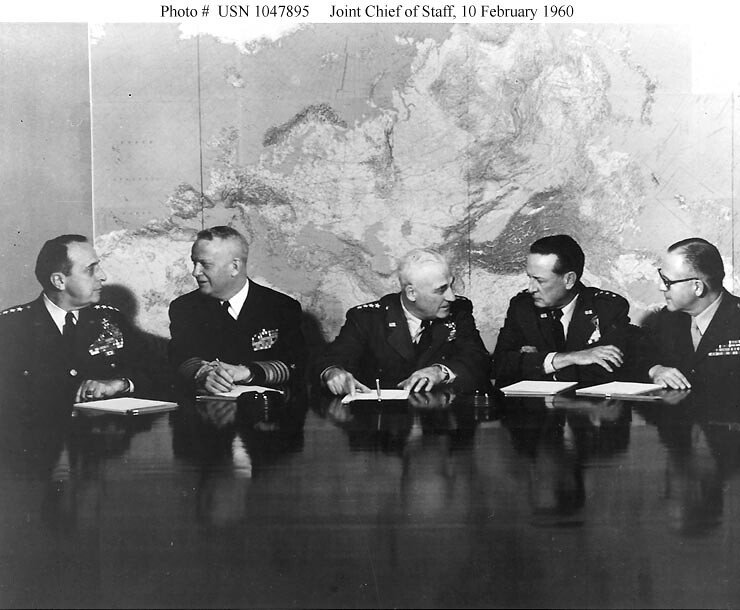
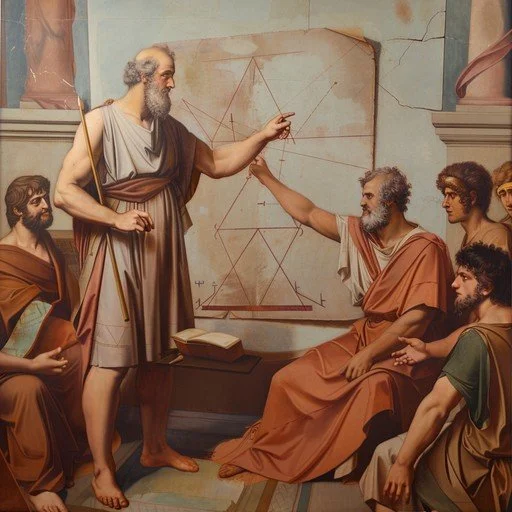
In the 20th Century, American foreign policymaking shifted from the efforts of individuals towards a more bureaucratic staff system inspired by military staffs of the late 19th and early 20th century. Staffs are uniquely collaborative environments in which social dynamics have considerable impact on end policy recommendations. Explaining in lecture that staffs can create unusual, consensus driven results may leave students with knowledge of the problem, but no real understanding. This wargaming assignment pushes students to recreate the decision making dynamics of the staff system and helps them to turn knowledge into understanding.
During the first week of class, students break into ‘policy groups.’ Each student will take on the role of a real life agency or institution.
Four or more times per semester, the groups will convene during class hours to debate a policy question. Each policy question will reflect a chunk of class content, and will reflect a real life decision which had to be made.
Students will discuss in and out of class their interests regarding the question. By the assignment deadline, they will submit a policy recommendation which most accurately reflects their group’s consensus opinion and which makes actionable policy recommendations for a fictional stake holder
At the end of the semester, students deliver a group presentation based on the product of their groups. They compare their recommendations to the recommendations of their historic counterparts, evaluate why they diverged as a policy group, and consider the utilities and issues with policy-by-committees.
This in-class exercise can be paired with a map component outside of class hours which translates recommendations into actions and activities in a geographic and chronological space.
What is CACE?
Coffee and Current Events, better known as CACE, is a student organization at the University of North Carolina at Chapel Hill for undergraduates headed toward careers in policy, national security, and the military. The premise is straightforward. Group members meet twice a month for current events briefs, usually led by an ROTC cadet or a subject matter expert. Briefs are followed by open discussion and debate. Guest panels bring in serving and former officers, university faculty, and practiconers. The tone is candid, and membership is open to anyone curious about history, culture, and the military rather than only to students in ROTC. There is coffee, and often donuts.
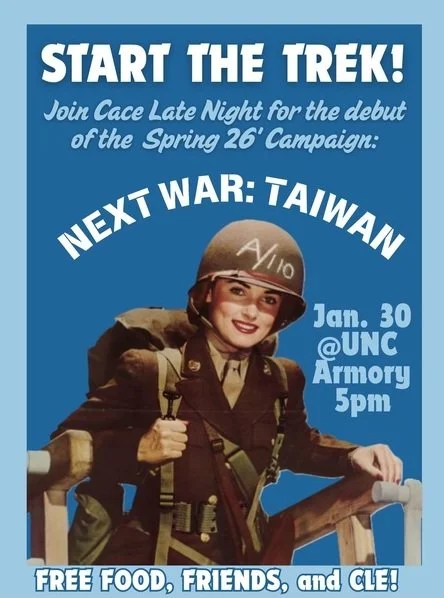
The wargaming arm, CACE Late Night, runs a series of games each semester built around military and diplomatic decision-making. CLN is built around two concurrent games, a semester-long campaign game and a session long alternate game. The goal of CLN is threefold: First, it hopes to train participants how to play wargames. Second it hopes to push participants to think about contemporary issues and national security problems. And third, it hopes to build community in third spaces while breaking down silos which in academic life often separate students.
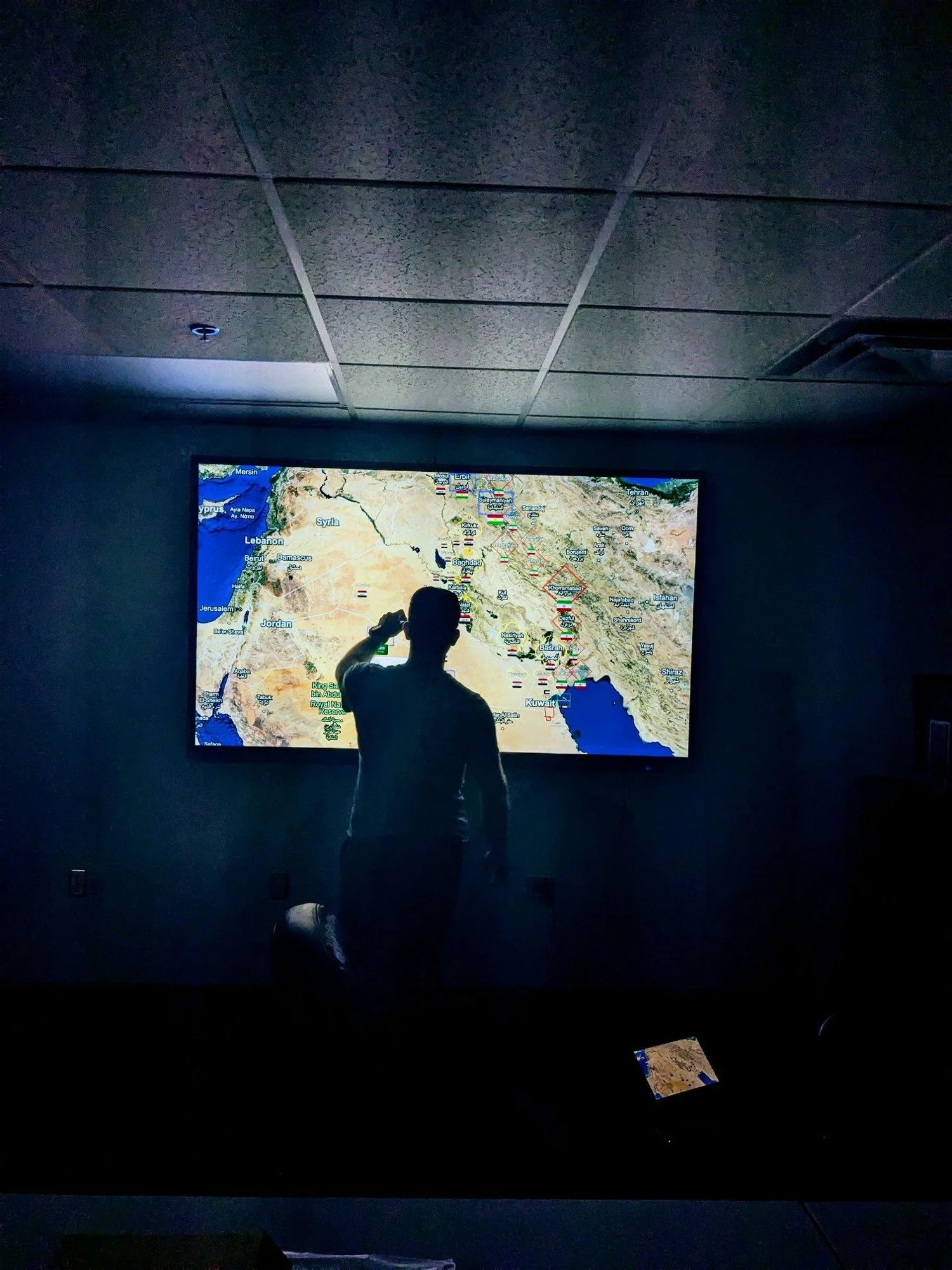
Non-campaign play starts with the basic elements of hex-and-counter wargaming, typically using ‘Battle for Moscow.’ Over the course of a semester we advance to more complicated games, including Pericles and FITNA. The campaign game, intended for return members, starts from a more complicated departure point. This game focuses on an area of contemporary crisis and explores a contingency scenario written by facilitators. Recently, CLN has used GMT’s Next War series for its campaign game. This system is given contemporary relevance with new rules, including customized rules for drone strikes and missile magazine issues, as well as unique scenarios created to connect the game to contemporary issues. As a component of CLN sessions, facilitators will give briefing updates covering both the game state and hypothetical out-of-game implications for each turn. After the game update, select participants and ROTC cadets will provide briefings for the group regarding doctrine, force design, and technical specifications to further connect the game state to real world issues.
Working as Facilitator
As a Wargame Facilitator my role has been to support the CACE leadership team in accomplishing its larger organizational goals. My primary area of responsibilities have been to support the campaign game and enable continued play. Particularly with larger scenarios in the Next War scenario, campaign games can be intimidating. In keeping with von Riesswitz’s, these scenarios are best played with a team of informed umpires. In addition, I also help to onboard new players and sustain the non-campaign games for those not committed to the larger scenarios. Training games help to onboard new members and get them through the hardest part of becoming a gamer: learning your first system. The non-campaign game further sustains interest in the organization and creates a pipeline in which students go in the course of a semester from having never played, to eager for the campaign game.
As a facilitator, my role has been to help student-organizers to manage these responsibilities while giving them the opportunity to make choices and lead the organization in whatever direction they prefer.