The Tiger Front: South Korea in the American War in Vietnam, 1945-1975
Second Book Project
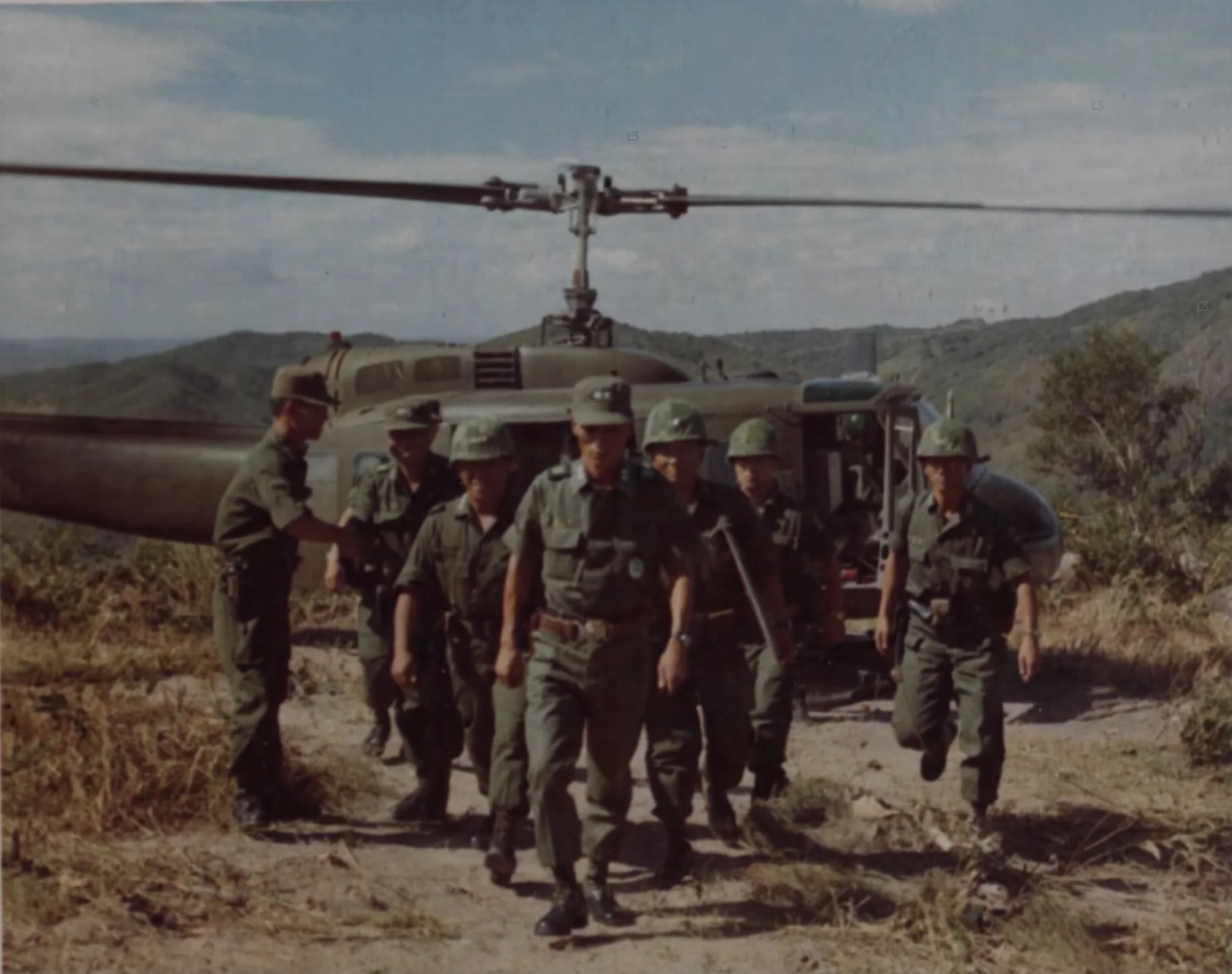
Between 1965 and 1973, 350,000 South Korean soldiers deployed to Vietnam. Korea was the third largest participant in the defense of South Vietnam after the United States and South Vietnam itself. In South Korea the contribution to Vietnam’s defense is hotly contest. And yet in English their contributions and activities are largely forgotten, referenced only in passing where they intersect with American interests. The Tiger Front will craft a new narrative of the Vietnam War which illustrates how central South Korea was to the situation in Indochina. The troop contributions and military operations alone were hugely impactful for both countries. But beyond that, the wars in Vietnam drew their inspiration from the war in Korea and, in turn, had a baleful influence on peace in the Korean peninsula. The Tiger Front will significantly reshape our understanding of the Vietnam War and the alliance politics which created and fought the war.
A Monument to Peace
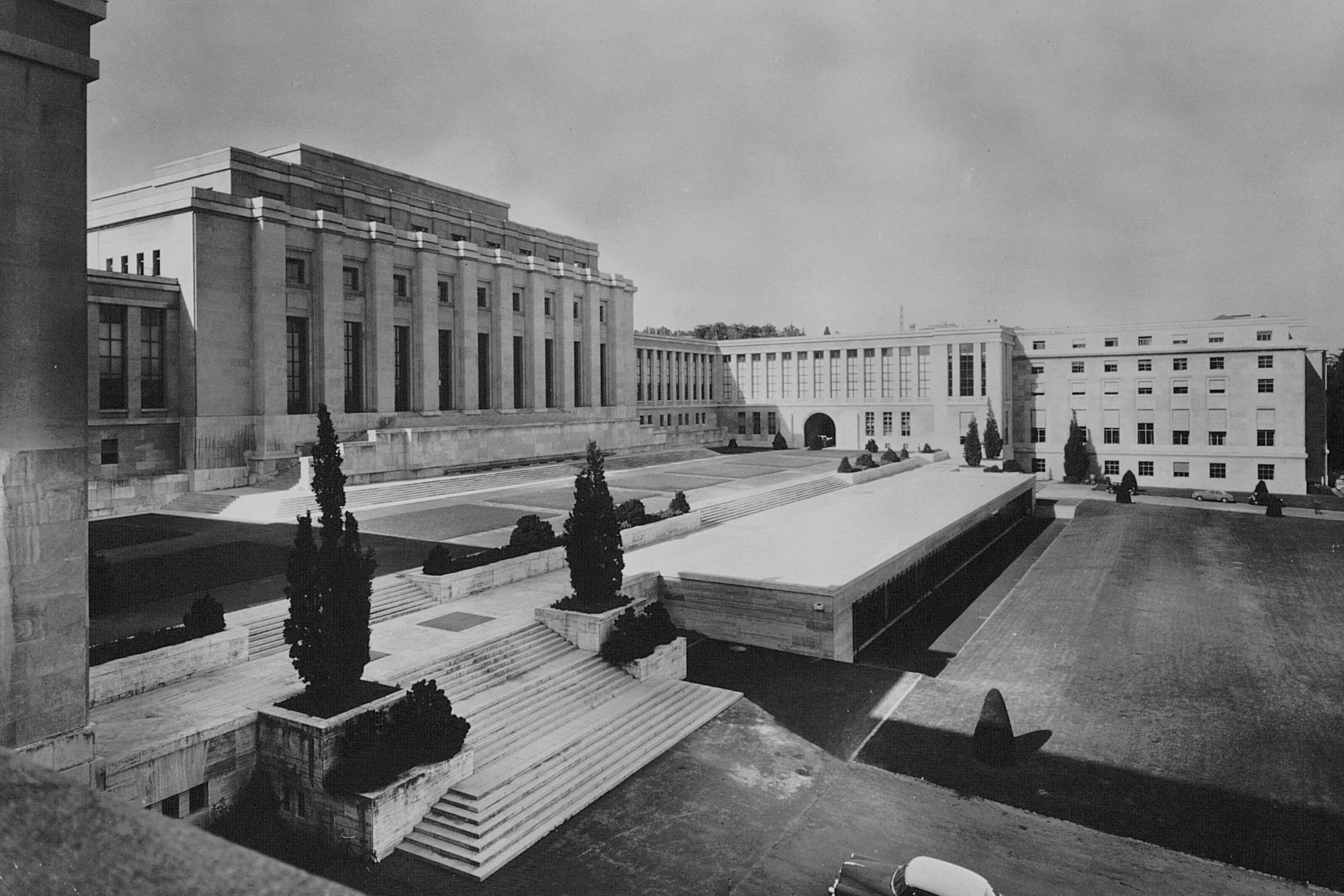
The Tiger Front will not only give voice to the forgotten soldiers of the Vietnam War, but in doing so will present conclusions which will radically transform our understanding of the fighting in Indochina. Historians have long debated the role of the Vietnam War within larger regional and global Cold War dynamics. This book will show how powerful many of these internationalizing forces were at the diplomatic, strategic, and operational level. Whether it was negotiations at Geneva in 1954, or the attempt to kill President Park Chung Hee just nine days before the first shots of the Tet Offensive were fired, the Korean question was inextricably linked to the Vietnam question. Answering the question ‘what will Vietnam become’ also crafted a similar answer to ‘what will Korea become?’ South Vietnam would lose its independence and identity in the face of Communist aggression and be washed away by the tide of history. South Korea, facing similar threats and pressure from their own hostile northern neighbor, avoided the same fate. But in doing so turned it to a level of political repression not seen since the 1940s, and which would not end until 1988. The Tiger Front will pull together these dynamics to ask new questions about the American War in Vietnam.
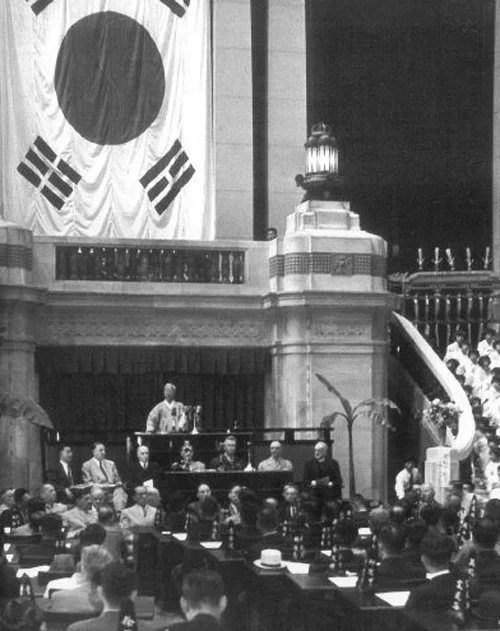
In 1954 belligerents and interested parties met in Geneva to resolve the status of East Asia’s two major wars. Most histories of the American War in Vietnam begin here. That spring, China, France, and the DRVN began negotiations to end the war in Indochina. Following the surrender of the garrison at Dien Bien Phu, the French government accepted the impossibility of holding onto North Vietnam and negotiated a rapid exit. By the end of the year Ho Chi Minh was in firm control of the north, while the south was propped up by an obdurate American government who refused to accept the realities in South East Asia and in so doing put their first limb into the Vietnamese quagmire.
What is often forgotten from this is that the Geneva Conference was not held to resolve the issues of the French-Indochina conflict. The first issue to be resolved was not the war in Indochina, but a formal peace agreement which would have ended the war in Korea. Yet these two issues are rarely linked in the historiography. The failure to reach a peace agreement at Berlin and Geneva in 1954 serves as an epilogue which trapped Korea into a forever war which persists to this day. While in conventional tellings of the Vietnam War, the fall of Dien Bien Phu was the crystalizing moment which forced participants at Geneva to more seriously work towards some peace. Geneva is also framed as the moment in which American diplomats became more belligerent towards the socialist powers in East Asia. But these events cannot be taken separately, they have to be linked together. France, Britain, and Russia may have negotiated in pursuit of narrow interests, but China, the two Koreas, the Untied States, and both Vietnams found themselves locked in a regional clash which united the western rim of the Pacific into one strategic context. Neither should the solution to the Indochinese conflict, a division into two countries by a DMZ along the 17th parallel, be that surprising given the similar solution employed in Korea the year before.
“More than Mercenaries?: Incentives, Sub-imperiality, and Rhetoric in South Korea’s Decision to Send Soldiers to Vietnam.”
This article, currently in solicitation to journals, will be the pilot article for The Tiger Front. In it I examine the rhetoric used by South Korean legislatures and policymakers during debates between 1964 and 1965 regarding requests to deploy military forces to South Vietnam. Older historiography of the American War in Vietnam depicts South Korean forces in Vietnam as mercenaries, sent to a distant and unrelated conflict in exchange for economic investments and cash subsidies. This paper reexamines this explanation by using the frameworks of subimperiality and imperial hierarchy to recontextualize the key debates on South Vietnam policy. Indeed, Korean assemblymen did not frequently speak to the economic bounty which might be found in the jungles of South Vietnam. They instead focused their rhetorical energies on the need to defend global anticommunism. In their own words, Korean politicians argued that South Vietnam was not a far off distant conflict but was instead a frontline of the anticommunist struggle analogous to South Korea. South Korea’s role in this conflict was to defend Vietnam, as other countries had defended Korea, and in doing so preserve South Vietnam’s place in the broader global anti-communist struggle. I will show that Korean policymakers viewed the Vietnam War in the shadow of the Korean War, and more than any economic reward they hoped that involvement would establish their position as an equal member of a global alliance.